
As summer begins to slow down and families start thinking about school supplies, lunchboxes, bus schedules, and early mornings again, it is a good time to remember what school once looked like in the mountains.
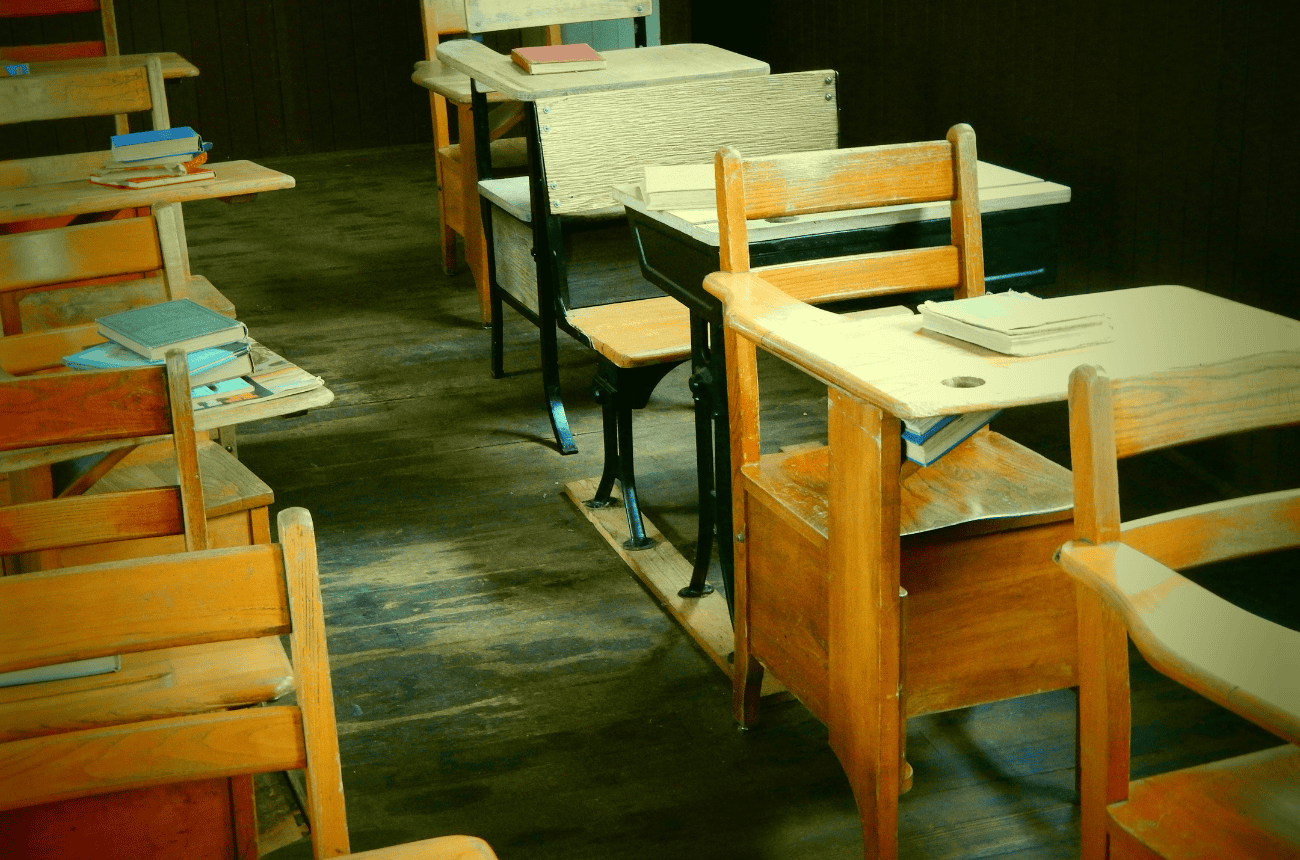
At the Museum of Appalachia in Clinton, Tennessee, there stands a little one-room schoolhouse known as the Big Tater Valley Schoolhouse. It came from Big Tater Valley, along Bull Run Creek, between Union and Grainger Counties. Built in the early 1800s, it served as a neighborhood school for nearly 100 years before being moved to the museum in 1974.
It is a small building, but it carries a big story.
Today, when we think of school, we may picture long hallways, classrooms for each grade, computers, smartboards, cafeterias, sports fields, and buses lined up outside. Children have textbooks, tablets, backpacks, and teachers trained in many different subjects. There is much to be thankful for in the schools we have today.
But in the days of the Big Tater Valley Schoolhouse, school looked much different.
Children of different ages often learned together in one room. One teacher may have taught reading, writing, arithmetic, spelling, manners, and discipline all in the same day. Older children sometimes helped younger children. Lessons were spoken aloud. Work was done on slates or paper when paper was available. The building may have been warmed by a stove, and the school day was shaped by the seasons, the weather, and the work waiting at home.
For many Appalachian families, education was not separate from everyday life. A child might learn letters at school, then go home and learn how to tend a garden, carry water, feed animals, sew, cook, split wood, sing a hymn, or listen to an elder tell the stories of the family. Learning happened at the schoolhouse, but it also happened on the porch, in the field, at church, around the table, and along the road.
That is one of the beautiful things about Appalachian life. The community helped teach the child.
School was not just about books. It was about becoming the kind of person who could live well with others. Children learned patience, responsibility, respect, faith, work, and neighborliness. They learned that everyone had something to contribute, even if they did not have much money or many possessions.
Today’s children are growing up in a very different world. They have access to more information than those early students could have imagined. They can learn from videos, websites, libraries, teachers, and people across the world. That is a wonderful gift.
But even with all the changes, some things are still worth carrying forward.
As children return to school this year, maybe we can all take a moment to become teachers in our own way. Tell a child a family story. Show them an old photograph. Take them to a local historic place. Teach them a recipe, a song, a craft, or the name of the creek where you grew up. Ask an elder what school was like when they were young.
The Big Tater Valley Schoolhouse reminds us that a building does not have to be large to hold something important. Sometimes one room is enough to hold the hopes of a whole community.
And sometimes one story is enough to help the next generation remember who they are.