

Southern Appalachia, a region known for its rugged landscapes and rich cultural tapestry, has fostered a distinctive form of folk art that reflects its people’s lives, traditions, and spirit. This art form, deeply rooted in the everyday experiences of Appalachian communities, is as diverse as the region itself.
The origins of Southern Appalachian folk art trace back to the early settlers who brought with them crafting traditions from Europe. These settlers combined their artistic skills, their experience and self-reliance, and the resources of their new environment to create handmade, practical, and overall unique art. From quilt-making and woodcarving to basket weaving and pottery, these crafts were not only artistic expressions of their heritage and experiences but also served practical purposes in daily life.
Southern Appalachian folk art often has a unique gift for storytelling as well. Many pieces tell the stories of the artist’s life or convey moral lessons, often through simple yet powerful imagery. Quilts, for example, may feature patterns that have been passed down through generations, each with its own story or meaning. Wood carvings, another popular form of Appalachian folk art, often depict local wildlife, religious figures, or everyday scenes, reflecting the artist’s connection to their history, faith, and environment.
Along with its practical nature and cultural connections, Appalachian folk art is often characterized by bold colors, geometric patterns, and a certain rustic charm. The use of natural supplies like wood and fabric gives Appalachian folk art its distinctive, earthy quality. Despite its simplicity, each piece is rich in cultural significance and craftsmanship.
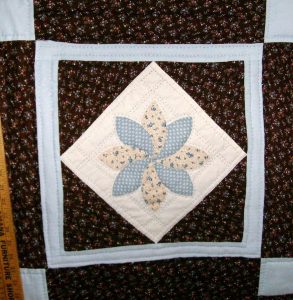
Today, the tradition of Appalachian folk art continues to thrive, celebrated in festivals, museums, and galleries across the region. It remains a vital part of Southern Appalachian culture, serving as a bridge between the past and the present. For many artists, creating folk art is a way to honor their heritage and keep the stories of their ancestors alive.