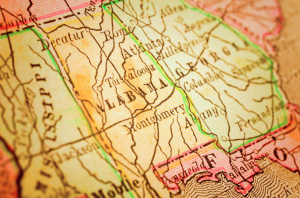
Have you ever heard about Foxfire? It all started in the mountains of Georgia with a teacher and a group of high school students who wanted to make learning more exciting. Instead of using boring textbooks, their teacher encouraged them to go out into their community and learn from the people around them. In the 1960s, these students began interviewing older folks in their community, asking about their lives, traditions, and skills. They wrote down everything they learned and published it in a little magazine called “Foxfire.” What started as a small class project soon grew into something much bigger. People loved reading the magazine, and soon the stories were put together in a book. In fact, the Foxfire books became really popular, showing people all over the world what it was like to live in Southern Appalachia. The books talked about everything from making soap and weaving baskets to telling old stories and folklore. Foxfire was not just about making magazines and books. It was also about students doing real projects that helped their community. They learned about building log cabins, making pottery, and preserving old traditions that were at risk of being forgotten. The project brought generations together, with young people learning from the wisdom of their elders. The idea behind Foxfire made a big impact. It helped students learn in a hands-on way, connected people in the community, and kept Appalachian culture alive for everyone to enjoy. Foxfire still inspires people today to learn from each other and the Appalachian heritage and stories alive and well.

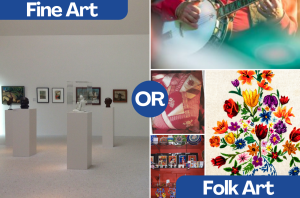
Have you ever wondered what makes folk art so special? While fine art has its place, folk art is where community stories and traditions truly come to life! Fine Art is all about beauty and creativity. It’s made to be seen and admired. Think about things like paintings, sculptures, music, and even plays. Fine art is often taught in schools or by teachers, and it’s all about letting each artist’s unique style shine. You can usually spot fine art in museums, theaters, or concert halls. Folk Art, on the other hand, comes from the heart of a community. It’s often practical, like a handmade basket or a carved piece of driftwood, but it still has a special beauty. Folk art is usually learned from family or passed down through generations—no art school needed! It can also be called “regional art” because it’s unique to a specific place or culture. The materials used are often easy to find, like clay or charcoal. Folk art is a wonderful way to express a community’s values, traditions, and stories. There’s even something called outsider art, which is a type of folk art made by people who aren’t part of the traditional art world, but their work is still celebrated by many. So even though fine art has its place in our communities, folk art is all about sharing the stories, traditions, and values of a community and, in turn, speaking to the heart of the people. And this is what being an Appalachian is all about.

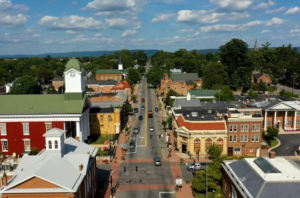
Most of the main roads are open in TN and NC storm area. Many of the businesses are beginning to open and are restocking. Confirm that your route is one of the many open, and go help our neighbors get their economies back.

Sevier County, including the towns of Sevierville, Pigeon Forge, and Gatlinburg, is open for business and ready for visitors! Officials urge tourists to come enjoy all that the area has to offer, as this support will benefit the entire state. While roads are being opened as quickly as possible, travelers are advised to check current road conditions before making their journey.

This is that Sevier County is open for business Tourists are encouraged to visit Sevier County, home to the popular destinations of Sevierville, Pigeon Forge, and Gatlinburg. The region is welcoming visitors to help boost the local and state economy. Although roads are being cleared and reopened, visitors should stay updated on road conditions for a smooth travel experience.

We need your help to preserve the rich art and culture of Southern Appalachia and support the talented artists who keep these traditions alive. By joining our mission, you can make a real difference in ensuring that the unique craftsmanship and heritage of this region continue to thrive. There are several ways you can get involved. Share your favorite pieces of Appalachian artwork by sending us photos of the art you love—your contributions help us showcase the beauty and importance of this cultural legacy. If you’re passionate about organizing events, sign up to put your event in front of a community that cares deeply about authentic Appalachian experiences. You’ll have the opportunity to network with local artisans, musicians, and vendors who can enrich your event and bring the spirit of Southern Appalachia to life. For sellers, crafters, and artists, we offer a curated list of events where you can showcase and sell your products. Join a network of like-minded individuals who celebrate the unique culture of our region and gain the exposure needed to grow your brand in a community that values quality and authenticity. Your support is crucial. Consider donating to our cause to ensure the continuation of Southern Appalachian art and culture for generations to come. Together, we can make a lasting impact.

Southern Appalachian folk art holds a deep-rooted place in the hearts and minds of both the Appalachian and broader American communities. This art form is deeply embedded in the cultural fabric of the region, representing a rich heritage passed down through generations. Each handcrafted piece of Appalachian folk art, whether a quilt, a carved wooden figure, or a woven basket, tells a story of the people who created it, preserving the skills and traditions that have shaped southern Appalachian identity for centuries. The impact of Appalachian folk art is expressed through the beliefs, values, and the close relationship the artists have with their environment. These works of art often carry subtle messages about the land, community, and the artist’s worldview. By celebrating the natural beauty of the Appalachian Mountains and the resilience of its people, these artworks foster a deep connection between the creator and the observer. The influence of Appalachian handcrafted folk art is also seen in its ability to inspire other forms of artistic expression, such as music and dance. Despite the pressures of modern technology and mass production, which have altered the landscape of craft-making, the enduring essence of Appalachian folk art remains an important and enduring part of American culture. This enduring nature reassures us about the preservation of our cultural heritage, reflecting the creativity, resourcefulness, and deep-rooted traditions of the Appalachian people in our society today.

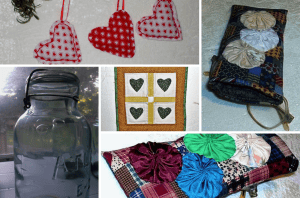
Southern Appalachia, a region known for its rugged landscapes and rich cultural tapestry, has fostered a distinctive form of folk art that reflects its people’s lives, traditions, and spirit. This art form, deeply rooted in the everyday experiences of Appalachian communities, is as diverse as the region itself. The origins of Southern Appalachian folk art trace back to the early settlers who brought with them crafting traditions from Europe. These settlers combined their artistic skills, their experience and self-reliance, and the resources of their new environment to create handmade, practical, and overall unique art. From quilt-making and woodcarving to basket weaving and pottery, these crafts were not only artistic expressions of their heritage and experiences but also served practical purposes in daily life. Southern Appalachian folk art often has a unique gift for storytelling as well. Many pieces tell the stories of the artist’s life or convey moral lessons, often through simple yet powerful imagery. Quilts, for example, may feature patterns that have been passed down through generations, each with its own story or meaning. Wood carvings, another popular form of Appalachian folk art, often depict local wildlife, religious figures, or everyday scenes, reflecting the artist’s connection to their history, faith, and environment. Along with its practical nature and cultural connections, Appalachian folk art is often characterized by bold colors, geometric patterns, and a certain rustic charm. The use of natural supplies like wood and fabric gives Appalachian folk art its distinctive, earthy quality. Despite its simplicity, each piece is rich in cultural significance and craftsmanship. Today, the tradition of Appalachian folk art continues to thrive, celebrated in festivals, museums, and galleries across the region. It remains a vital part of Southern Appalachian culture, serving as a bridge between the past and the present. For many artists, creating folk art is a way to honor their heritage and keep the stories of their ancestors alive.

As President and Founder of SAC, I want a place where I, and my people, can exchange ideas and swap stories, review history and maybe tell a fishing tale. “My people” means the Appalachian, mountain people. We, and you all, are people. No bots. No AI. Just people. Like other people, some Appalachians are good, some are smart, some lazy, some rich, but still we are all people–and, going back far enough, we are kind – like it or not. SAC, the company, is out of the box, different, unique—-never been one before like this. No one knows what to do with it–especially the tech guys. But they will learn what makes people tick, so we will keep them. If you have something you would like to share here, please send it to us at. We need to limit the size of a post to about 350 words–that is about 2/3 page of single spaced typing. It must not be hateful. And bashing–we do not need bashing either. Other than that, we will have to make the rules up as we go. Dealer’s choice, maybe. Some people are experts in certain fields. I will invite them to send us an article about their speciality. If you know someone with an interesting story, let us know and we will see if we can get some Words from them. A few replies will be posted here.. We need to hear your complaints, but please be gentle with us. We are trying. But until there are better rules, the SAC staff will have the last say-so about what is happening on the Sassy/Classy page. Best wishes to you all……….mildred